



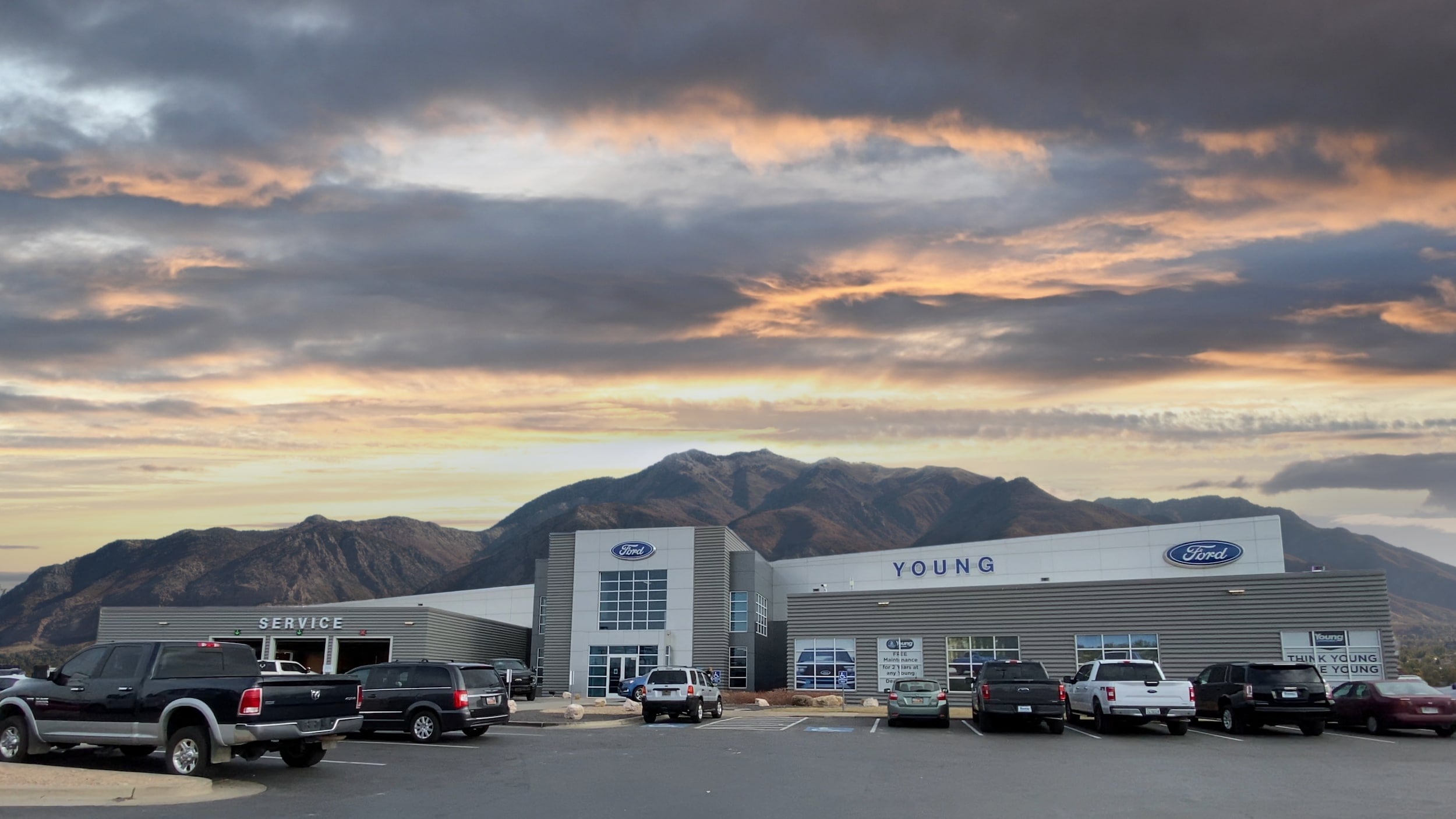
Choosing between new and used vehicles is one of the biggest decisions buyers face when visiting a Ford dealership. Whether you're upgrading your daily driver, shopping for a first car, or expanding a work fleet, the right choice depends on budget, long-term goals, and how you plan to use your vehicle. At a trusted Ford dealership, shoppers can compare options, understand financing, and evaluate trade-offs to make a confident decision.
Customers often come in unsure whether a new or used vehicle is the better fit. Both options have strong advantages, and understanding them in detail can help you get the most value for your money.
The Value of New Vehicles
When exploring new inventory, buyers are stepping into the latest automotive innovation. New Ford vehicles are designed with modern drivers in mind, offering improved fuel efficiency, advanced safety systems, and cutting-edge infotainment technology. From rugged trucks to family-friendly SUVs, new models showcase the latest engineering Ford has to offer.
One of the strongest benefits of buying new is the peace of mind it offers. You are the first owner, meaning there is no prior wear, accident history, or hidden mechanical issues. New vehicles also come with full factory warranties that typically include bumper-to-bumper coverage and powertrain protection, reducing unexpected repair costs in the early years of ownership.
Technology is another major advantage. Features such as adaptive cruise control, lane-keeping assist, blind-spot monitoring, and upgraded touchscreen systems are more commonly standard in new models than in older ones. For drivers who want the latest innovations, new vehicles offer clear appeal.
Many shoppers gravitate toward new F-150 trucks, Explorers, and Bronco models for their updated performance and enhanced safety systems. New vehicles also allow for customization, giving buyers the ability to choose trims, colors, and packages directly from the factory.
The Advantages of Buying Used Vehicles
Used vehicles offer a different kind of value that appeals to many buyers. One of the biggest benefits is affordability. Used cars generally cost significantly less than new ones, making it easier for buyers to stay within budget or reduce monthly payments.
Depreciation also plays a major role. New vehicles lose value quickly within the first few years, while used vehicles have already gone through that steepest depreciation period. This means buyers can often get more features for less money when choosing used inventory.
A dealership typically offers both standard used vehicles and certified pre-owned (CPO) options. CPO vehicles undergo a detailed inspection and meet manufacturer standards for quality and reliability. Many also come with extended warranties and roadside assistance, offering extra confidence to buyers who want used-car pricing with added protection.
At Young Ford Ogden, used trucks and SUVs are especially popular. Many customers find well-maintained Ford models that still offer strong towing capacity, durability, and modern features at a lower price point. For budget-conscious shoppers, used vehicles often provide the best balance of value and performance.
Budget and Financing Considerations
Financing plays a major role in decision-making. Loan terms, interest rates, and monthly payments can vary significantly depending on whether a buyer chooses a new or used vehicle.
New vehicles often come with manufacturer-backed financing incentives, including lower interest rates or special promotional offers. These incentives can make new vehicles more affordable over time, even if the initial purchase price is higher.
Used vehicles, while typically less expensive upfront, may come with slightly higher interest rates depending on age, mileage, and condition. However, the lower purchase price often offsets this difference, keeping monthly payments manageable.
Finance teams work with multiple lenders to help buyers secure competitive rates regardless of their choice. Trade-in value also plays an important role, as it can significantly reduce the total amount financed.
Maintenance, Reliability, and Long-Term Costs
Long-term ownership costs should always be considered when comparing new and used vehicles. New vehicles generally require less maintenance in the first several years. Routine oil changes, tire rotations, and inspections are typically the only required services early on.
Used vehicles may require more attention depending on mileage and previous ownership. However, when purchased from a reputable source and properly inspected, many used vehicles remain highly reliable for years.
One of the advantages of working with a Ford dealership is the assurance that used inventory has been evaluated for quality. Many vehicles are reconditioned before sale, ensuring they meet safety and performance standards.
Warranty coverage also differs significantly. New vehicles include full factory warranties, while used vehicles may include limited or extended coverage depending on certification. This difference can influence long-term maintenance costs and peace of mind.
Performance, Technology, and Safety Differences
Ford vehicles are known for combining performance with practicality, and the differences between new and used models often come down to technology updates and feature availability.
New vehicles typically include the most advanced safety systems and infotainment features. Larger touchscreens, improved connectivity, and enhanced driver-assist systems are common across new Ford lineups.
Used vehicles, especially those only a few years old, may still offer many of these features but may lack the newest updates or software improvements. For many buyers, however, the performance difference is minimal, especially when purchasing a newer used model.
Customers often compare multiple model years side by side to determine whether the latest features justify the price difference.
Resale Value and Ownership Goals
Resale value is another important factor when choosing between new and used vehicles. New vehicles typically depreciate faster in the first few years, while used vehicles tend to hold their value more steadily.
This makes used vehicles an attractive option for buyers who plan to resell or trade them within a few years. On the other hand, new vehicles may retain strong value if they are well-maintained and kept in good condition.
A Ford dealership can help estimate future trade-in values based on model, mileage, and condition, allowing buyers to plan more strategically for the long term.
Your Local Ford Dealership
Ultimately, the decision between new and used depends on personal priorities. New vehicles are ideal for buyers who want the latest technology, full warranty coverage, and the ability to customize their purchase. Used vehicles are better suited for those who prioritize affordability, lower depreciation, and overall value.
Customers are encouraged to explore both options in detail. Seeing vehicles side by side allows buyers to better understand pricing differences, feature availability, and long-term costs.
According to Ford, more than 75% of what it sells in the U.S. is assembled there, more than any other automaker.
Whether you choose new or used, working with a dealership ensures access to quality vehicles, expert guidance, and transparent pricing. Both options offer unique advantages, and the right choice ultimately depends on your needs, lifestyle, and budget.
If you're ready to take the next step, visit Young Ford Ogden to explore our full selection of new and used vehicles. Our team can help you compare options, review financing, and find the perfect fit for your driving needs. Stop by today or contact our local Ford dealership to start your journey toward your next Ford.